
You found a reason to skip the flight again. Maybe you blamed work, or the price, or said you’d rather drive.
Hypnotherapy for phobias in Australia exists for exactly this moment, the one where the fear has stopped listening to reason.
You know a huntsman in the garage cannot actually hurt you. Your body did not get the memo, so you backed out the door anyway.
Plenty of Australians live like this, quietly arranging their days around a fear they would rather not explain. There is no shame in it.
This article walks you through how hypnotherapy works on phobias, which fears it handles best, what a session feels like, and how to start, whether in a clinic or from your couch.
Why Phobias Hit So Hard in Australia (and Why Willpower Rarely Fixes Them)
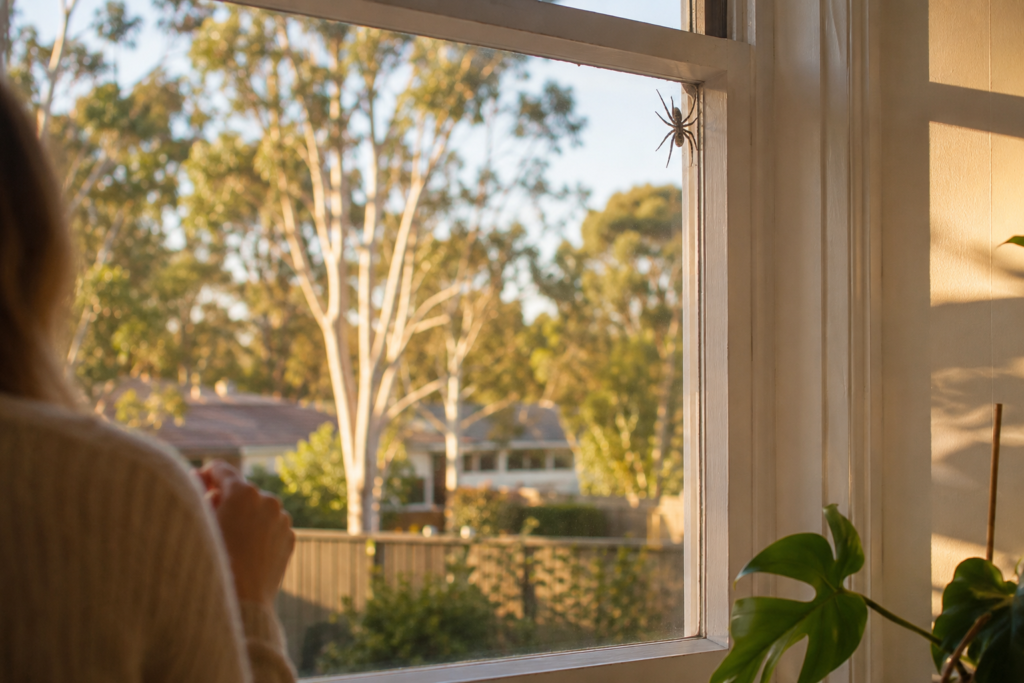
Living here means sharing the place with things that genuinely set the nervous system off. There are redbacks under the outdoor furniture and huntsmans that materialise on the bedroom wall at midnight.
Reaching almost anywhere overseas means hours in the air, sometimes a full day of it, so a fear of flying quietly shrinks your world to whatever you can drive to.
Layer the national habit of brushing things off, the “she’ll be right” reflex that treats asking for help as a fuss, and a lot of people end up carrying a phobia for years without ever naming it to anyone.
The numbers say you have plenty of company. The Australian Bureau of Statistics found that more than one in six Australians aged 16 to 85, around 17.2 per cent, had an anxiety disorder such as social phobia in a single year, which makes anxiety the most common group of mental health conditions in the country.
Specific phobias sit inside that group, so the fear you have been quietly managing is one of the most ordinary experiences going.
Here is why telling yourself to get over it does so little. A phobia lives in the subconscious part of the brain that handles threat, the fast, wordless system that fires before your thinking mind gets a say.
That system learned, somewhere along the line, to tag spiders or turbulence or the dentist’s chair as danger, and it now runs that program automatically.
Your rational mind can recite every statistic about how safe flying is while your body floods with adrenaline anyway, because the two are not speaking the same language.
Willpower is a conscious tool, and the alarm it is trying to switch off was never wired to the conscious switchboard.
How Does Hypnotherapy Actually Help with Phobias?
Hypnotherapy guides you into a deeply relaxed, focused state where a clinical hypnotherapist works directly with your subconscious mind to change the automatic fear response attached to a trigger, swapping the panic reaction for calm.
It reaches the part of the brain that willpower cannot, which is why it works on phobias that logic has failed to shift.
A session usually draws on a few core techniques, often blended to suit the fear you walk in with:
- Suggestion therapy: While you are relaxed and receptive, the hypnotherapist offers calm, positive prompts that the subconscious takes on more readily than it would in a normal waking state.
- Visualisation: You rehearse the feared situation in your imagination, picturing yourself steady and in control, so the brain builds a new memory of coping before you ever face the real thing.
- Gradual desensitisation: You move toward the trigger in small, manageable steps while staying anchored in that relaxed state, letting the nervous system relearn the situation as safe rather than threatening.
Phobias respond to this kind of work because the fear was learned in the first place. Somewhere in your history the subconscious filed a spider or a plane cabin under threat, and it has been running that file ever since. What gets learned can be taught again.
Hypnotherapy opens a window to the system that wrote the original rule, then helps it write a calmer one.
That is also why change can come faster here than with approaches that only engage the thinking mind, which is left arguing with an alarm it was never able to reach.
What Is Clinical Hypnotherapy?
Clinical hypnotherapy is the use of guided hypnosis by a trained practitioner to treat specific psychological or behavioural issues.
Forget the stage show, the swinging watch, the volunteer clucking like a chicken. You stay fully aware throughout, in control, able to hear everything and stop whenever you choose.
The hypnotherapist guides; you are never handing over the wheel. In Australia, reputable practitioners register with professional bodies such as the Australian Hypnotherapists Association or the Hypnotherapy Council of Australia, so checking membership is a quick way to confirm you are working with someone properly trained.
The Phobias Hypnotherapy Treats Most Often: Spiders, Flying, Needles and More
Most people picture one or two classic fears when they hear the word phobia, but the range that brings people through the door is wide, and every one of them is treatable:
- Spiders. Tops the list for a lot of Australians, which makes sense given what turns up in the laundry here.
- Flying. Runs a close second, the fear that keeps people grounded while everyone else books the trip.
- Needles. Common enough that it shapes whether someone gets a blood test or a vaccine at all.
- Heights. The kind that makes a balcony or a lookout feel impossible.
- Driving. Whether it is freeways, bridges, or getting back behind the wheel after a crash.
- Public speaking. Where the dread can hijack a career.
- Enclosed spaces. So lifts and tunnels and MRI machines become things to plan around.
If your particular fear is not on that list, it still counts. Phobias attach to almost anything, and none of them are too small to mention or too entrenched to work on.
The mechanism underneath is the same regardless of the trigger, so the approach that calms a fear of dogs is the approach that calms a fear of thunderstorms.
The two below come up most, which is why they are worth a closer look.
Hypnotherapy for Fear of Flying
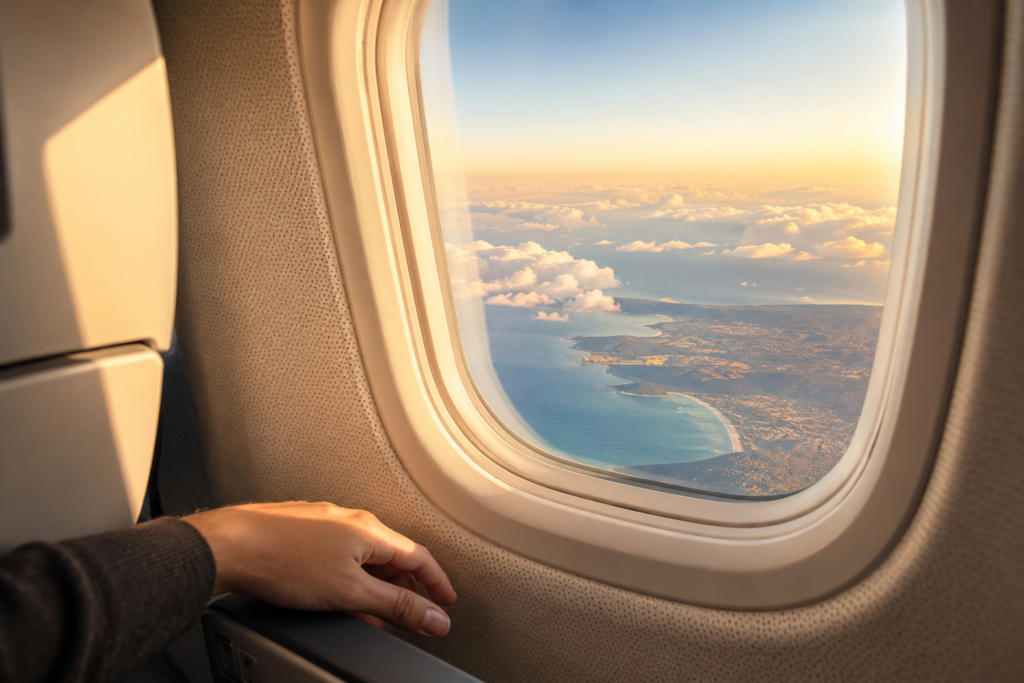
Hypnotherapy for fear of flying walks you through the whole journey while you sit in a calm, relaxed state: booking the ticket, the queue at the gate, the door sealing, the bump of turbulence, the wheels touching down.
You rehearse each stage feeling steady, so your brain logs flying as manageable long before you reach an actual airport. In Australia the stakes are real.
Skipping flights can mean missing a cousin’s wedding interstate, turning down work that needs travel, or going years without seeing family overseas. Left alone, the fear keeps quietly charging you.
Hypnotherapy for Spider Phobia
Hypnotherapy for spider phobia uses gradual desensitisation while you stay anchored in calm.
You start by picturing a spider across the room, then a little closer, then closer again, each step paired with a relaxed body instead of a pounding chest.
The aim is not to have you cooing over huntsmans like household pets. It is being able to relocate the one on the ceiling with a cup and a bit of cardboard, or check your shoe before a hike, without your heart trying to leave through your ribs. That is a realistic finish line.
What Happens in a Hypnotherapy Session for Phobias?
If you have never done this before, the unknown can feel like its own small phobia. The reality is calmer and more ordinary than most people expect. Nothing happens to you while you sit there.
You are an active participant the whole way through, and a typical session moves through a few clear stages:
The Conversation Before Anything Else
Your first appointment usually starts with talking, not trance. The hypnotherapist asks about the fear: when it started, what sets it off, how it shows up in your body, what you have already tried.
Then you agree on a goal together, something specific like boarding a flight to Perth without a panic attack. Nothing begins until you both know what you are aiming for.
Settling Into a Relaxed State
The induction is the part people imagine most and worry about most, and it is gentler than the films suggest.
The hypnotherapist talks you down into deep relaxation, the drowsy, focused state you pass through every night on the way to sleep.
You stay aware. You can hear the traffic outside. You can open your eyes, shift in the chair, or say stop at any moment, and you will.
The Therapeutic Work
Here is where the change happens. Once you are relaxed, the hypnotherapist applies the techniques that suit your fear, calm suggestions, guided visualisation of the trigger, and where the fear traces back to a specific event, gently revisiting that origin to take the charge out of it. You feel relaxed throughout, not exposed.
Coming Back and Talking It Over
There is no abrupt snap of the fingers. The hypnotherapist counts you gently back to full alertness, and you take a moment to settle. Then you talk through what came up, what landed, and what the plan is for next time. You walk out clear-headed, often lighter than you walked in.
How Many Hypnotherapy Sessions Do You Need for a Phobia?
Most people see meaningful change in roughly 3 to 6 sessions. A simple, single-trigger phobia can shift in as few as 1 or 2, while a fear that has been with you since childhood, or one tangled up with broader anxiety, often takes longer. There is no fixed number, because no two fears arrive in the same shape.
A few things move the dial:
- How long you have had it: A fear you picked up last year tends to loosen faster than one you have rehearsed for three decades.
- Whether anxiety sits underneath: When the phobia is one branch of a wider anxiety, the work often reaches into that too, which adds sessions.
- How readily you settle into hypnosis: Some people drop into the relaxed state easily on the first try; others need a session or two to get comfortable, and both are normal.
The research is encouraging on the whole. A meta-analysis published in the International Journal of Clinical and Experimental Hypnosis pooled 17 trials and found that the average person treated with hypnosis ended up less anxious than roughly 79 per cent of those who got no treatment, with the gap widening to about 84 per cent by the longest follow-up.
The same review noted that hypnosis worked better still when paired with other psychological approaches rather than used alone, which is part of why many hypnotherapists blend techniques rather than relying on one.
Can You Do Hypnotherapy for Phobias Online in Australia?
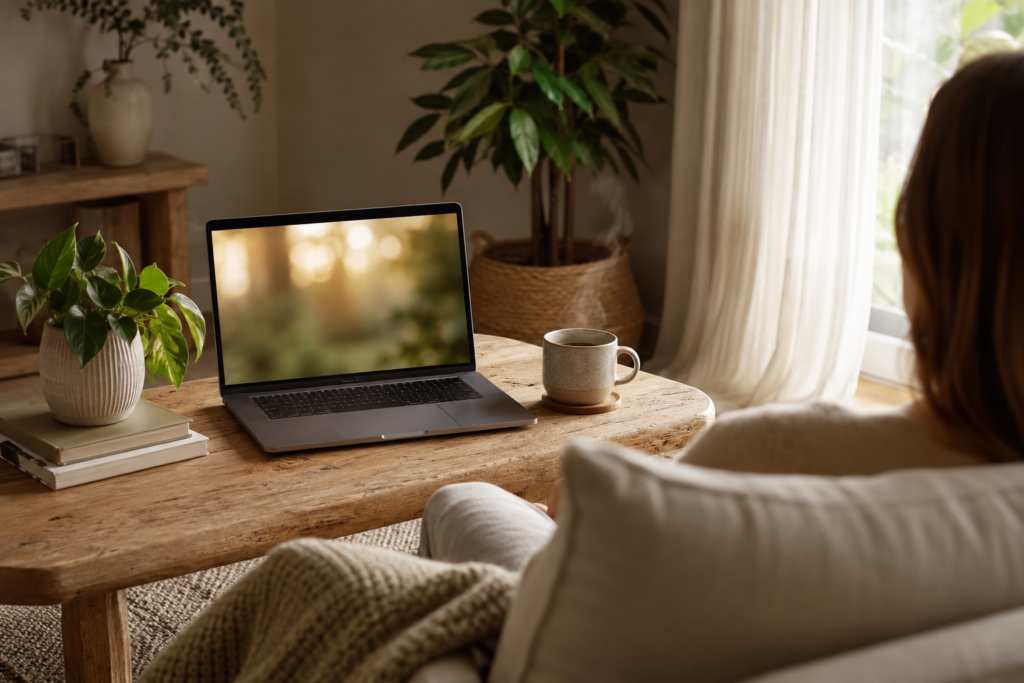
Yes. Online hypnotherapy is widely available across Australia, and both research and clinical experience suggest it works as well as sitting in the room.
Hypnosis runs on voice, focus, and your willingness to relax, none of which need the hypnotherapist physically beside you. A good video connection is enough.
For a lot of Australians, online is the more sensible choice anyway. If you live in a regional town or out on a property, the nearest qualified hypnotherapist might be a three-hour drive, and online erases that distance entirely.
If your phobia is driving itself, or leaving the house, being asked to travel to an appointment is almost a cruel joke; doing it from your own lounge room removes the first hurdle before the work even starts.
And there is something to be said for relaxing in a space where you already feel safe, your own chair, your own quiet, rather than an unfamiliar clinic.
It is worth weighing both sides honestly:
| Online sessions | In-person sessions |
| No travel, which matters most for driving and agoraphobia fears | Some people relax more fully with another person physically present |
| Reaches regional and rural Australia where local options are thin | No reliance on internet quality or a quiet room at home |
| You relax in your own familiar space | Easier to manage if a session brings up strong emotion |
| Easy to fit around work and family without a commute | Clearer separation between the appointment and home life |
Neither is the “real” version. The right one is whichever gets you into the chair and keeps you coming back.
Hypnogenie offers online sessions for exactly the people who would otherwise put this off, so wherever you are in Australia, distance stops being the reason the fear sticks around.
Key Takeaway
Hypnotherapy for phobias in Australia offers a gentle, evidence-informed way to retrain the fear response behind spiders, flying, and other common phobias, often in just a few sessions.
Arranging your life around a fear is quietly exhausting, and it is a load you are allowed to put down.
Book a consultation with Hypnogenie, or explore their online hypnotherapy sessions, and start working on the phobia from anywhere in Australia.
Frequently Asked Questions
Most Australian hypnotherapists charge $100 to $250 per session, so a typical 3 to 6 session course runs somewhere between $300 and $1,500. Price varies by practitioner experience, location, and whether sessions are online or in clinic. Many offer a shorter, cheaper initial consultation, and some package phobia programs at a set rate.
Medicare does not cover hypnotherapy, and it cannot be claimed through a Mental Health Treatment Plan. Some private health funds offer small rebates under Extras cover, but only when the practitioner holds current AHA membership and a recognised diploma, and many funds limit rebates to quit-smoking or weight programs. Check directly with your fund before booking.
Hypnotherapy is considered very safe when done by a trained practitioner. You stay aware and in control throughout, and you cannot get “stuck” in hypnosis. Some people feel briefly drowsy or emotional afterwards as things settle, which passes quickly. If you have a diagnosed psychotic condition, mention it first, since hypnotherapy may not suit everyone.
Almost everyone can reach the relaxed, focused state hypnotherapy uses, since it is closer to daydreaming than to anything dramatic. People vary in how deeply they go, and a small number find it harder to let go on the first try. A skilled hypnotherapist adjusts the approach, and the state usually deepens with practice across sessions.
For most people the change holds, because hypnotherapy rewrites the underlying response rather than masking it. Results often strengthen over time, and one meta-analysis found improvements were larger at follow-up than right after treatment. If a fear resurfaces during a stressful patch, a single top-up session usually settles it again.
Yes, and children often respond faster than adults because they slip into imagination so easily. Most hypnotherapists work with kids from around age 7, using playful, age-appropriate language and sometimes involving a parent in the room. Look for a practitioner who states they have experience with children rather than assuming any clinic does.
A psychologist treating a phobia usually relies on cognitive behavioural therapy and exposure work, engaging your thinking mind directly. Hypnotherapy works with the subconscious response instead, which some people find gentler. They are not rivals; the research suggests hypnosis works best alongside other approaches, so seeing both can complement each other rather than clash.