
Menopause disrupts sleep because falling oestrogen and progesterone affect body temperature, mood, and sleep cycles at once. Around 40 to 60 percent of women report disturbed sleep, most often night sweats, anxiety, and early waking.
You wake in the small hours again, hot, heart thumping, mind turning over nothing in particular, with the alarm still hours away.
If this has become your normal, menopause and sleep are probably more connected than anyone told you.
Across Australia, women move through perimenopause every year without ever being warned that sleep would be the first thing to go, and most spend months assuming they have simply lost the knack of resting properly. You have not. This is physiology, not poor discipline.
What follows is what is actually happening in your body, what makes it worse, what genuinely helps, and where hypnotherapy fits if you would rather avoid medication.
What Menopause Actually Does to Your Sleep

Two hormones do quiet work behind good sleep, and menopause changes both.
- Progesterone has a calming, sedating effect. As it falls, you lose part of what used to settle you at night.
- Oestrogen helps regulate core body temperature and supports serotonin, which feeds into mood and into the melatonin your body makes for sleep.
Melatonin also drops with age on its own, regardless of menopause. So the timing works against you twice.
Your sleep is already becoming lighter in your forties and fifties, and the hormonal shift lands on top of that.
Vasomotor symptoms are the temperature-related symptoms of menopause, mainly hot flushes and night sweats. At night they do something specific rather than just making you uncomfortable.
Your body needs to cool slightly to drop into deeper sleep, and a flush pushes your temperature the other way.
You surface into light sleep, notice you are damp and too warm, and by the time the covers are off you are properly awake.
The scale of this is well documented. The Sleep Health Foundation reports that around 40 to 60 percent of women experience sleep disturbance during perimenopause and post-menopause, against roughly 30 percent before menopause. Close to double.
The Three Patterns Women Describe Most
- Trouble falling asleep: You are tired, you go to bed, and then nothing happens. Often this is a mind that will not slow down rather than a body that is not ready. Women who have never had trouble dropping off are frequently the most rattled by it.
- Waking repeatedly through the night: Two, three, sometimes five surfacings, usually with a flush or a sweat attached. Each one may only last a few minutes, but broken sleep leaves you far more depleted than fewer hours of unbroken sleep would.
- Waking too early and not getting back down: You wake well before you need to, feel alert in a way that makes no sense, and lie there until the alarm goes. This is the pattern women mention least and find hardest to shift, partly because it looks like an early start rather than a sleep problem.
Most women get some combination of the three, and the mix changes over time. Recognising which one dominates for you matters, because they respond to different things.
Why Do I Keep Waking Up at 3am During Menopause?
Early-hours waking during menopause is usually driven by three things at once. A night sweat raises your temperature, falling progesterone has removed some of its calming effect, and cortisol begins its natural early-morning rise. Together they push you out of light sleep and make settling again difficult.
Timing explains why it happens when it does.
By the small hours you are already cycling through your lightest sleep stages, so a disruption that would barely register at 11pm is enough to wake you fully.
A flush or night sweat
The most obvious trigger. Your body needs to cool to stay in deep sleep, and a flush does the opposite.
Less progesterone to hold you under
Progesterone acts as a natural sedative. With less of it, you sit closer to the surface all night.
Cortisol rising early
Cortisol starts climbing before dawn to prepare you for waking. When it rises against already fragile sleep, you get alertness hours before you want it.
Frustration at being awake
This is the one nobody warns you about. Lying there annoyed, calculating how little sleep is left, raises alertness further. For most women the flush lasts minutes. The frustration is what costs the next hour.
When Night Sweats Are the Trigger
If temperature is your main disruptor, the fixes are practical.
- Set the bedroom cooler than feels comfortable when you get in. Around 18 degrees suits most people.
- Use layers rather than one heavy doona, so you can shed a layer without waking properly.
- Choose cotton, bamboo, or linen sleepwear over synthetics.
- Keep water beside the bed. Getting up for a glass wakes you far more thoroughly than reaching for one.
Australian conditions make this harder than most international advice accounts for. Summer nights in Brisbane, Perth, or Darwin often sit well above the temperature your body needs to reach deep sleep, so cooling the room is not optional.
If you are running a fan or air conditioning through summer, that is not indulgence, it is basic sleep management.
When It Is Anxiety Keeping You Awake, Not Just Hormones

Anxiety rises during the menopause transition, and most women do not connect the two. The tightness in the chest, the low-grade unease over things that would not normally bother you, the flatness that arrives without cause. It gets filed under stress or work or family, when hormones are doing a good deal of the driving.
Anxiety and poor sleep then feed each other in both directions. A broken night leaves you more reactive the next day, small problems land harder, and by evening you are carrying more tension into bed than you were the night before. That tension makes falling asleep harder, and the cycle tightens.
You will recognise the mental version of it. Lying in the dark with a mind that will not stop, replaying a conversation from Tuesday, drafting an email you do not need to send until Friday, thinking about your mother.
Nothing urgent, nothing solvable at that hour, and all of it apparently more compelling than sleep.
There is a particular pattern worth naming. A woman who has slept easily her whole life notices that around nine in the evening she has started to dread going to bed. Not because she is not tired, but because she knows what the night will probably do.
That is anticipatory anxiety, the worry about a bad night becoming the thing that produces one. It is common, it is not a sign anything is wrong with you, and it responds well to the right support.
What Actually Helps You Sleep Better During Menopause
There are two tiers here. Habits you can adjust this week, and structured approaches that take longer but do more.
The habits rarely resolve a serious sleep problem on their own, though the structured options work better when the basics are already sorted.
Changes Worth Making First
- Wake at the same time daily: Your wake time anchors the body clock far more than your bedtime does. Sleeping in to recover from a bad night quietly sets up the next one.
- Cool the room before bed: Deep sleep needs your core temperature to fall, and a warm bedroom prevents that from the outset.
- Shift alcohol earlier, or skip it: It gets you to sleep faster and then breaks up the back half of the night, and it triggers night sweats in a lot of women.
- Stop caffeine by early afternoon: It clears slowly, so a mid-afternoon coffee is still active in your system when you are trying to drop off.
- Get daylight soon after waking: Morning light starts the clock on that evening’s melatonin, which is the step most people skip.
The Approaches With the Strongest Evidence
Cognitive behavioural therapy for insomnia, or CBT-I, is what Australian general practice guidelines recommend as first-line non-drug treatment.
Rather than targeting sleep directly, it addresses the thinking and behaviour that keep insomnia in place.
Mindfulness-based programmes also hold up well in menopause research, especially where anxiety is part of the picture.
Neither is a quick fix. Both need weeks of consistent effort, and CBT-I often feels harder before it feels easier. Worth knowing upfront.
Hormone therapy is a genuine option too, and a reasonable thing to raise with your GP if night sweats are driving most of the disruption. It suits some women and not others.
If you would rather start somewhere else, there is one further approach with solid evidence behind it.
Can Hypnotherapy Help With Menopause Sleep Problems?
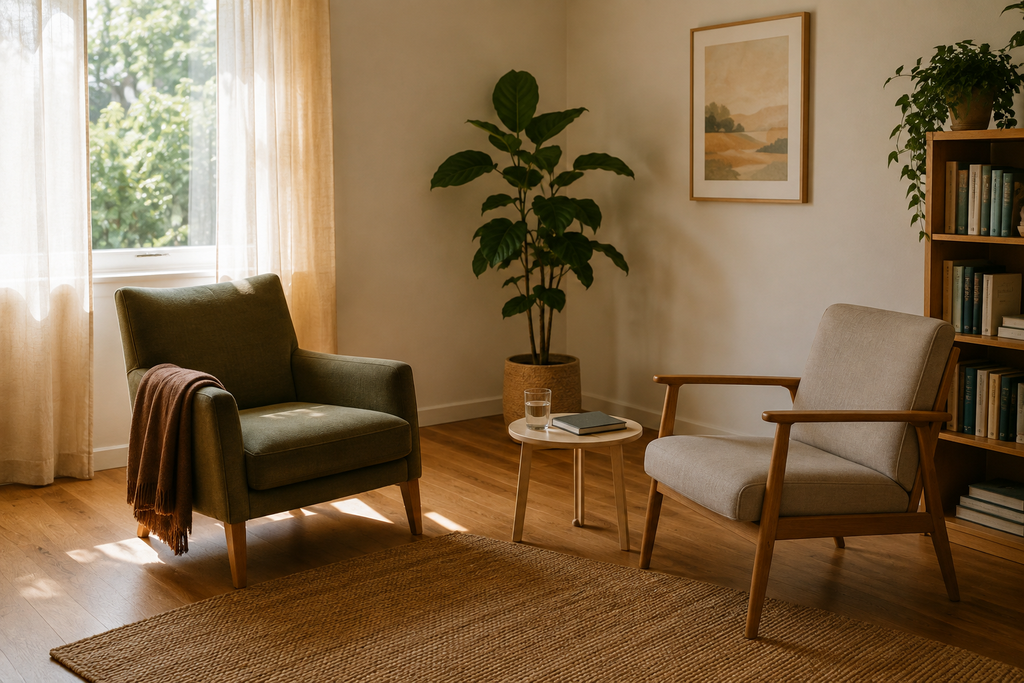
Randomised controlled trials have shown clinical hypnosis reducing the frequency and severity of hot flushes by more than 50 percent, and it is recognised as an evidence-based non-hormonal option for vasomotor symptoms.
Since night sweats and anxiety drive much of the sleep disruption in menopause, easing them tends to improve sleep as well.
The strongest evidence is recent. A 2025 randomised clinical trial published in JAMA Network Open followed 250 postmenopausal women and found a 53.4 percent reduction in hot flash scores after six weeks of hypnosis, holding and improving to around 61 percent by three months.
The Menopause Society now recommends clinical hypnosis for vasomotor symptoms on the basis of level 1 evidence, the highest tier available.
That evidence is stronger than most women expect, largely because hypnotherapy still carries stage-show associations that have nothing to do with clinical practice.
What a Session Actually Involves
- You stay awake and aware. You sit in a chair with your eyes closed while a practitioner talks you into a relaxed, focused state. You hear everything and you remember it afterwards.
- You stay in control. You could open your eyes and stop at any point, and nobody can make you do or say anything you would not choose to.
- The work targets the drivers. Imagery and suggestion are used around temperature regulation, sleep, and the anxiety sitting underneath both.
- It runs as a short course. Most people do somewhere between four and eight sessions rather than a single appointment, often with recordings to use at home in between.
- Results are not uniform. Some women notice a difference within a couple of weeks, others need longer, and it does not work for everyone. Any practitioner promising a guaranteed result is overselling.
HypnoGenie works with women across Australia, including online sessions for those outside the major cities where menopause-informed practitioners are thin on the ground.
When to Talk to Your GP Instead
Not every sleep problem in midlife is menopause. Some signs point to something else that needs investigating.
- Loud snoring, gasping, or pauses in breathing that someone else has noticed: Obstructive sleep apnoea becomes more common after menopause and is frequently missed in women.
- Restless, crawling sensations in your legs at night: Restless legs syndrome is treatable but needs a diagnosis first.
- Low mood that persists rather than comes and goes: Worth raising properly rather than absorbing into the general menopause picture.
- Sleep that stays broken after hot flushes and night sweats have settled: If the vasomotor symptoms have eased and the sleep has not, something else is likely driving it.
Any of these deserve a GP appointment. Ideally with someone who has menopause experience, since the quality of care varies considerably.
The Australasian Menopause Society maintains a directory of practitioners with that background.
None of this rules out hypnotherapy. Ruling out a sleep disorder and working on the anxiety and temperature side are separate pieces of the same puzzle, and plenty of women do both.
Conclusion
Menopause and sleep problems are physiological, extremely common, and more responsive to the right combination of approaches than most women are led to believe.
Three levers do most of the work. Manage night-time temperature and habits, address the anxiety underneath, and consider evidence-backed non-hormonal support.
If that last one interests you, book a consultation with HypnoGenie. The first conversation is about understanding what is happening for you, not signing up to a programme.
Frequently Asked Questions
How long do menopause sleep problems usually last?
For most women, sleep disruption eases as vasomotor symptoms settle, typically within a few years of the final period. Some women find it resolves quickly, others deal with it for longer. Sleep that stays broken well after hot flushes stop usually has a separate cause worth investigating.
Can I just buy melatonin over the counter in Australia?
Only if you are 55 or over. In Australia, 2mg modified-release melatonin is a Pharmacist Only medicine for short-term primary insomnia in adults aged 55 and above. Under 55, you need a prescription. Response rates are modest, so it is not a reliable fix on its own.
Do online hypnotherapy sessions work as well as in person?
Yes, for most people. Research on self-administered and remotely delivered hypnosis shows results comparable to in-person sessions, and being in your own bedroom or lounge room can help rather than hinder. You need a private space, a decent connection, and headphones.
Is hypnotherapy covered by Medicare or private health insurance?
Medicare does not cover hypnotherapy. Some private health funds offer partial rebates under extras cover, though many have reduced natural therapy benefits in recent years. Check with your fund before booking, and ask the practitioner which association they are registered with, since that often determines eligibility.
Does exercise help, and does the timing matter?
Regular exercise improves sleep quality and reduces hot flush severity for many women. Timing matters less than consistency, though vigorous training in the two hours before bed raises core temperature and can backfire during menopause. Morning or early evening usually works best.
Should I nap if I have had a terrible night?
A short nap of twenty minutes before mid-afternoon is fine. Longer or later naps eat into the sleep pressure you need for that night, which makes the following evening harder. If you are napping most days, treat that as a signal rather than a solution.
I am already on hormone therapy and still not sleeping. What now?
Hormone therapy treats the vasomotor side, so if night sweats have settled but sleep has not, something else is driving it. Common culprits are anxiety, an established insomnia pattern that outlasts its original trigger, or an undiagnosed sleep disorder. Worth raising with your GP.